Outsystems Team to Build and Scale a Low-code Software Factory
Team specialisation
A low-code Software Factory
Adopting a low-code platform can accelerate application delivery, but it only creates sustainable value when a team can turn speed into quality, reuse, and scale. Without the right structure, organisations can build applications quickly but struggle to maintain them, operate with inconsistent processes, and become overly dependent on individual knowledge.
Aubay Portugal was asked to create an OutSystems specialist team to support a digital transformation programme. The objective was to establish a Software Factory able to respond to evolving business needs, reduce solution complexity, and create a consistent way to develop, validate, and release new functionality.
The challenge
The dedicated Aubay Portugal team
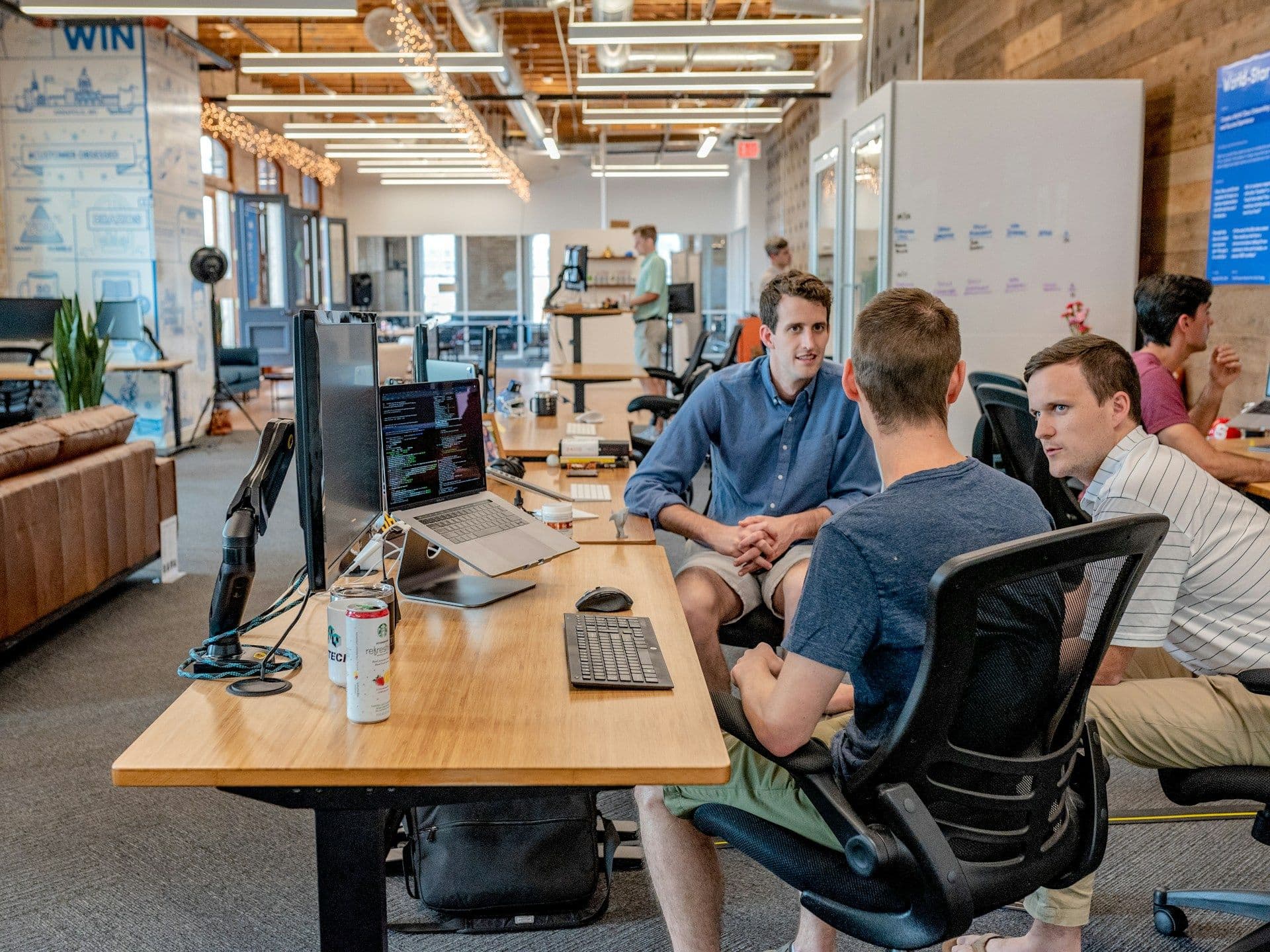
Aubay Portugal assembled a team that included factory management, business management, OutSystems developers, a tech lead, a foundations team, and UX/UI specialists. This combination connected business priorities with architecture decisions and development execution.
The team worked on responsibility definition, requirements identification, and reusable component creation, applying quality, maintainability, and scalability practices from the start.
A predictable delivery model
The Software Factory model created a more predictable delivery rhythm. Collaboration between functional, technical, and user-experience profiles reduced decision-making ambiguity and helped structure solutions according to OutSystems rules and best practices.
The team supported both the creation of new applications and the continuous improvement of the existing ecosystem.
The impact
As a result, applications were developed in line with OutSystems best practices. The operation reduced operational risk and maintenance costs, increased user autonomy, and lowered technology complexity.
The project also strengthened component reuse, improved performance, and optimised the deployment process for new functionality, preparing the platform to grow with greater control.
This case demonstrates Aubay Portugal’s ability to build complete OutSystems teams, rather than simply providing individual profiles. By combining low-code development, architecture, UX/UI, and technical governance, the team turns a platform into a sustainable delivery capability.